Australia is one of the world’s top choices for a working holiday and it’s easy to see why. With endless beaches, vibrant cities, dramatic national park landscapes and a relaxed outdoor lifestyle, it’s the perfect place to combine travel and work while expanding your life experience.
For many travellers, a year of Work and Travel in Australia becomes one of the most transformative experiences of their lives. As it was for me ! You’ll share hostel kitchens with people from every continent, join sunrise surf sessions, road-trip iconic coastlines like the Great Ocean Road and snorkel the Great Barrier Reef, all while gaining practical work experience and making lifelong friends.
In this guide you’ll discover what makes Australia such an incredible destination for a working holiday, which destinations and activities should be on your bucket list, how to meet people on the road, and practical tips to make the most of your time Down Under.
If you want to learn how to organise the visa, book flights, sort insurance and handle other practical preparations, check my detailed step-by-step planning guide for Work and Travel Australia — it’s the best way to turn this trip into a safe, affordable and unforgettable life adventure.
A quick note: this article contains affiliate links. If you book something through my links, I receive a small commission ~ it doesn’t cost you anything extra, and it helps me fund the next adventure so I can keep writing honest guides for you. I only recommend products, tours and services I would genuinely suggest to a friend.
Why Australia is Perfect for Work and Travel
Few destinations combine adventure, relative safety and ready job opportunities as well as Australia. Backpackers and gap-year travellers arrive from across the globe to travel the country while funding their trip through casual and seasonal work, making the whole year an immersive travel experience and life-changing adventure.
Some of the biggest advantages include:
- a strong backpacker community — hostels, local meet-ups and shared vans make it easy to find friends and travel companions quickly
- a wide range of casual jobs — hospitality, fruit picking, farm work and short-term roles in tourism towns let you earn while you see the country
- incredible natural landscapes — from coastal national park trails to red Outback gorges and rainforest valleys, the variety of scenery is unmatched
- a relaxed outdoor lifestyle — long daylight hours, beaches and a strong café culture encourage an active, social way of life
Australia is also relatively straightforward to travel independently. English is the dominant language (alongside many Indigenous languages), infrastructure between major cities and tourism hubs is well developed, and many regions are considered safe for solo travellers, though remote areas require extra preparation.
Quick practical next steps: plan your arrival to match seasonal work (e.g. harvest season for fruit picking), set up job-search profiles on local short-term work sites and join backpacker groups to find roomshares and mini-tours.
Incredible Places to Visit During Your Working Holiday
Australia is enormous and wonderfully diverse. During a working holiday you can move from tropical islands and rainforests to remote deserts and world-class beaches, often within the same trip, giving you a huge variety of nature experiences and adventures to tick off your bucket list.
Whitsunday Islands (Queensland)
The Whitsundays are famous for turquoise waters and soft white sand beaches and they absolutely live up to the hype. Most travellers base themselves in Airlie Beach, a lively little town that somehow manages to feel both relaxed and completely alive at the same time. My honest advice: give yourself more time here than you think you need. It is that kind of place.
We did a three-day sailing tour through the Whitsundays and it was one of those experiences that is genuinely hard to put into words. Waking up on a boat as the sun rises over the water. Watching the same sun disappear into the ocean at the end of the day from the deck with people you met just days earlier. Visiting Whitehaven Beach: one of the most stunning beaches I have ever seen in my life, with that impossibly white silica sand that squeaks under your feet. Spotting dolphins gliding alongside the boat. Watching sea turtles surface quietly next to us. Connecting with like-minded travellers who quickly felt like old friends.
The sailing tour alone would have made Airlie Beach unforgettable. But we also did a skydive there and that took everything to another level entirely.
I say this with full conviction: the skydive was one of the most extraordinary experiences of my entire life. The adrenaline rush is indescribable, you are genuinely falling through the sky above one of the most beautiful coastlines in the world, and your brain simply cannot process how spectacular it looks from up there. The preparation was thorough and professional, which made the whole experience feel safe despite being absolutely terrifying in the best possible way. One thing I would always recommend: book the photo and video package. It costs a little extra, but having those memories to look back on is completely worth it.
If the weather plays along — and I really hope it does for you because ours didn’t — go for the beach landing option. Landing directly on the beach with the Whitsundays stretching out around you is supposed to be an absolutely unreal finish to the jump. It was the one thing we desperately wanted and the weather had other plans. So I’m telling you now: book it, and cross your fingers for blue skies.
We rounded out our time in Airlie Beach with a scenic flight over the Great Barrier Reef and that combination of sailing, skydiving, and seeing the reef from above made for the most unforgettable few days of my entire Australian trip. Seeing the reef from the air gives you a perspective that no snorkel tour or boat trip can match. The scale, the colour, the sheer vastness of it – you only truly understand it from above.
⛵ Ready to explore the Whitsundays by sail? Find and book sailing tours from Airlie Beach here — multi-day tours sell out fast in peak season so book ahead.
🪂 Want to skydive over the Whitsundays? Book your Airlie Beach skydive here — always go with a reputable operator and don’t skip the photo package.
✈️ See the Great Barrier Reef from above — find scenic reef flights here.
Uluru (Northern Territory)
Uluru is one of Australia’s most iconic natural landmarks and a place of deep cultural significance to Indigenous Australians. Standing in front of it for the first time is one of those moments where you genuinely stop and just stare – no photo prepares you for the scale and presence of it.
I explored Uluru independently rather than with a guided tour, but I have to be honest: I wasn’t alone. My dad flew out to visit me for a few weeks in Australia, and the Red Centre was one of the things we did together. Having him there made the whole experience feel even more special: one of those trips where you realise that some places are just better shared with someone you love.
And I’ll be completely honest: if I had been traveling solo, I would not have gone to Uluru independently. The remoteness, the distances, the sheer scale of the Outback – it is not the kind of place where I would have felt comfortable navigating completely alone. So if you’re on your own or simply prefer not to figure it all out yourself, please don’t let that stop you from going. A guided tour is genuinely the right call and in this case, it’s not just the easier option, it’s often the better one.
I didn’t do a guided tour myself, but I heard incredibly good things from other travellers who did and the consensus was clear: the sunrise and sunset tours are in a completely different league to visiting during the day. The changing light is what makes Uluru truly extraordinary, and these tours are specifically designed around those magical hours. I picked out two that came highly recommended:
🌅 There is something deeply special about watching the light slowly creep across Uluru at dawn — the rock shifts from deep purple to burnt orange to blazing red as the sun rises, and the silence around you makes it feel almost sacred. Book the guided Uluru sunrise tour with breakfast here
🌄 Sunset at Uluru is equally extraordinary: the colours deepen as the light fades, the rock seems to glow from within, and the atmosphere as the day closes over the desert is unlike anything else. Book the guided Uluru sunset tour with refreshments here.
Both tours offer something completely different – choose based on whether you’re an early riser or prefer to end the day with something unforgettable.
The one thing I would recommend to absolutely everyone, no matter how they visit: the helicopter flight . It is not cheap, but it is one of those views that you simply cannot get any other way. Seeing Uluru from the air is something I will carry with me for the rest of my life.
For those who want more than a day visit, a multi-day camping trip through the Red Centre is one of the most immersive ways to experience the Outback. Combine Uluru with Kata Tjuta, Kings Canyon, and the vast silence of the desert under a sky full of stars – camping out there is an experience that is genuinely hard to find anywhere else in the world.
And one more thing about the Red Centre that I was not prepared for: the night sky. I have travelled to a lot of places, but I have never seen anything like the stars above Uluru. No light pollution for hundreds of kilometres in any direction, dry desert air with almost no humidity, and an elevation that puts you above much of the atmospheric haze – the result is a sky so full of stars that it looks almost unreal. The Milky Way is not just visible, it is overwhelming. If you have never truly seen a dark sky before, this will change your reference point forever.
Why go: spiritual landscapes, cultural learning, and some of the most otherworldly scenery on the planet. How to include it: schedule at least 2–3 days in the Red Centre — more if you want the full camping experience.
🚁 This is one worth splurging on. Book your Uluru helicopter flight here — sunrise and sunset slots sell out fast.
🏕️ Want the full Red Centre experience? Book a highly recommened 4 day camping tour here — combine Uluru, Kata Tjuta and Kings Canyon under one of the most spectacular night skies in the world.
Kimberley Region (Western Australia)
The Kimberley is one of Australia’s most remote and wild regions: massive gorges, seasonal waterfalls and dramatic red escarpments that feel like another world. Best visited in the dry season (May–September), it’s the kind of place that comes up again and again in conversations with travellers who’ve been there — always with the same look in their eyes when they talk about it.
I haven’t made it to the Kimberley myself yet but it is firmly at the top of my list for my next visit in Down Under. Based on everything I’ve heard from other travellers, I’ve picked out three experiences that consistently come up as the most unforgettable:
Broome: the laid-back pearling town at the western gateway of the Kimberley, consistently comes up in conversations with travellers who’ve been to the region and almost always for the same two reasons: the sunsets over Cable Beach, and the whales.
Every year the humpback whales make an epic migration from their feeding grounds in the Antarctic to spend the winter months in the Kimberley’s warm, tropical waters and Broome sits right on their route. Around 35,000 whales travel through these waters annually, making it one of the most remarkable wildlife spectacles in Australia. Combining a whale watching cruise with a Broome sunset on the Indian Ocean is one of those experiences that other travellers rave about long after they’ve left.
The best time to visit for whale watching is between July and September, when whale activity is at its peak, during these months tours average around seven humpback encounters per trip. The season generally runs from late June to early October, which conveniently coincides with the dry season, the best weather Broome has to offer.
🐋 If your trip overlaps with whale season, don’t miss this. Book the Broome sunset and whale watching boat tour here — probably one of the most magical ways to end a day in Western Australia.
The Bungle Bungles: For a truly immersive experience, this tour combines a scenic flight or drive from Halls Creek to the Bungle Bungles with local Aboriginal guides who share the stories, culture and deep history of this ancient landscape, a perspective you simply cannot get from any other type of tour.
🏔️ Book the Halls Creek to Bungle Bungles tour with Aboriginal guides here — one of the most culturally rich and visually extraordinary experiences the Kimberley has to offer.
The Gibb River Road: one of Australia’s great outback drives, winding through gorges, waterfalls and remote stations for 660km.
Why go: raw landscapes, ancient Indigenous culture, and off-grid adventures that most travellers never reach. How to include it: plan at least 4–7 days from Broome or Kununurra — and leave more time if you can. The Kimberley rewards slow travel.
Great Ocean Road (Victoria)
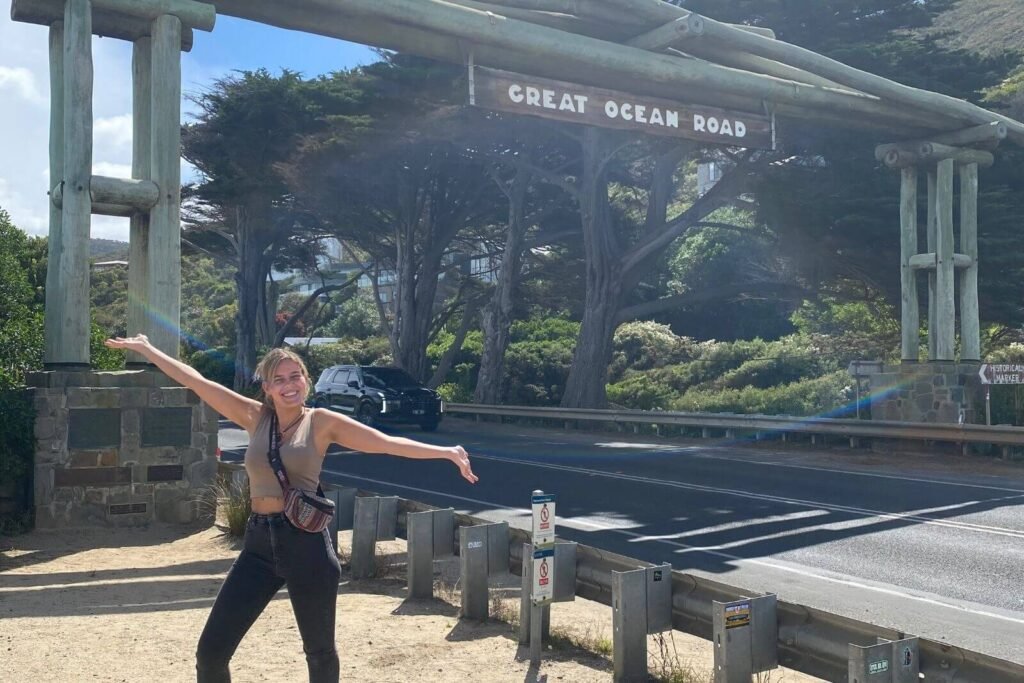
The Great Ocean Road is one of the world’s most famous coastal drives, with dramatic cliffs, the Twelve Apostles limestone stacks and coastal national parks. It’s ideal for road-tripping, surfing detours and short hikes through coastal rainforest and beaches. Start from Torquay or Geelong and plan a 2–3 day coastal loop, stopping at key lookouts and seaside towns.
Why go: iconic coastal scenery and road-trip experiences. How to include it: rent a car for a multi-day loop and combine with a visit to the nearby Great Otway National Park for waterfalls and rainforests.
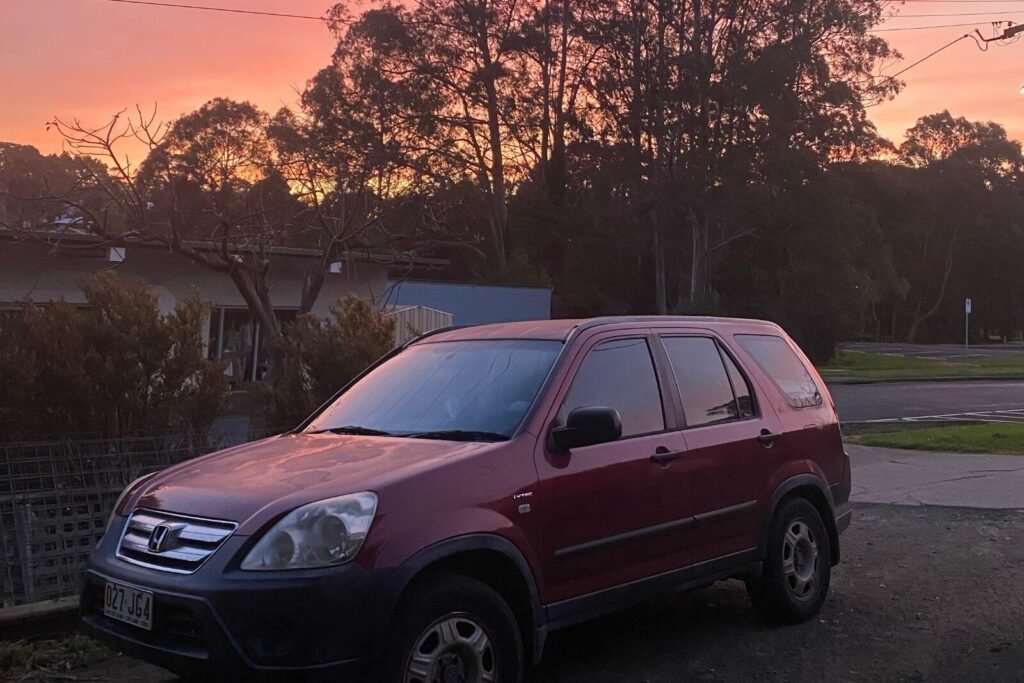
Ready to plan your trip? Check out my complete Great Ocean Road guide — including every must-see stop in order, budget tips, and the story of five girls squeezed into one tiny car with a single cool box and a diet of bread and chips.
Adventure Activities You Should Try
Australia is made for outdoor adventures. Many travellers use their working holiday to try things they’ve always dreamed about, from catching their first wave to diving on world-famous reefs, turning ordinary travel days into memorable life experiences.
Popular experiences include:
- learning to surf in Byron Bay — why it’s worth it: Byron is one of Australia’s friendliest surf towns with consistent beginner breaks and plenty of surf schools; practical tip: book a half-day beginner lesson and expect to spend several days practicing to feel confident.
- scuba diving on the Great Barrier Reef — why it’s worth it: snorkelling and diving the great barrier reef offer unparalleled marine wildlife encounters; practical tip: choose accredited PADI/SSI operators, plan a full-day or multi-day trip from Cairns or Port Douglas, and check seasonal visibility (best May–November). Many tours include a reef cruise and equipment hire.
- skydiving above tropical beaches — why it’s worth it: for an unforgettable adrenaline rush and panoramic coastal views; practical tip: prices vary (approx A$250–A$400), book with reputable operators who provide thorough safety briefings and go early in the day for calmer winds.
- hiking national parks and coastal trails — why it’s worth it: Australia’s national park system contains short walks and multi-day tracks that showcase diverse landscapes, from rainforest valleys to cliff-top oceanside paths; practical tip: pack layers, plenty of water and local trail maps — day hikes are great free activities for budget travellers.
- exploring the Outback — why it’s worth it: whether it’s a guided 4WD adventure or a rail/bus trip through red desert country, the Outback offers solitude and unique cultural experiences; practical tip: allow extra travel time, carry emergency supplies and consider a guided tour for remote areas.
These activities are not just thrilling, they’re also excellent ways to meet other travellers on trips and tours, build shared memories and add real depth to your Work and Travel year. Book at least one major tour early (reef dives, multi-day sails or signature adventures) to secure a spot during peak season.
Why Australia Is Great for Solo Travellers
Many people start their working holiday alone and quickly make friends often within the first few days. Solo travel in Australia tends to turn into a social, life-changing experience: shared road trips, hostel kitchen conversations and sunrise surf sessions quickly turn strangers into travel companions.
Hostels, group tours and social activities make it easy to connect with other travellers. Cities like Sydney, Melbourne and Brisbane are major hubs with lively backpacker scenes, regular meetups and neighbourhoods that are easy to explore solo, think Newtown or Surry Hills in Sydney, Fitzroy in Melbourne, and Fortitude Valley in Brisbane for cafes, nightlife and shared-work spaces.
Travelling solo also gives you flexibility. You can change your plans on the fly, accept a short-term job in a regional town, or join new friends for an impromptu coastal road trip. Popular ways to meet people include joining city walking tours, pub quizzes, language exchanges, surf lessons and organised day trips, all simple, low-cost ways to build experiences and make lasting connections.
Quick solo-traveller tips: use hostel noticeboards and backpacker Facebook groups to find local meetups; download meetup and rideshare apps to link up safely; keep someone informed of remote travel plans; and pick central hostels for easier socialising. This way of travelling maximises both your freedom and the number of shared experiences you’ll collect on your trip.
Meeting People and Making Friends
One of the best parts of Work and Travel is the social side, the shared adventures and everyday moments that turn into memories for life. Meeting other travellers is easy if you make small, consistent efforts to get involved.
Hostels are often the quickest way to find company. Shared kitchens, communal lounges and organised hostel events (barbecues, pub crawls, movie nights) create natural conversation starters and a low-pressure way to meet people.
Other practical ways to meet travellers include:
- joining group tours or day trips — cost: typically A$50–A$150 for popular day tours; duration: half-day to full-day; why it works: you share an activity and often swap plans for the next stop
- participating in surf or diving courses — cost varies (surf lessons A$40–A$100; introductory dive courses A$150–A$350); duration: single sessions or multi-day certifications; why it works: learning together builds quick camaraderie
- attending local events or festivals — free to ticketed; duration: evenings to weekends; why it works: festivals and markets highlight local culture and are great conversation catalysts
- using backpacker Facebook groups and apps — free; why it works: you can arrange shared rides, meetups and short trips before you arrive, so you have plans on day one
Suggested weekly social plan: one to three hostel evenings (meetups or communal cooking), one organised day trip or surf lesson at the weekend, and one relaxed café or market visit in a new neighbourhood. Simple conversation starters that work: “Where did you start your trip?”, “What’s your next stop?”, or “Any tips for work/job leads here?”
Many friendships formed during a working holiday last long after the trip ends, the shared trips, tours and everyday experiences build bonds that travel photos and stories keep alive for years.
Accommodation Options for Backpackers
Australia offers a wide range of accommodation for travellers on a working holiday, from social hostels to longer-term rooms and on-site farm housing for regional work. Your choice will depend on budget, how long you plan to stay in one place and whether you need to be close to work or transport links.
Hostels
Hostels are the most common choice for backpackers: affordable, social and usually centrally located near transport and city attractions. Expect dorm beds from roughly A$20–A$45 per night in major cities (cheaper in regional towns). Look for hostels that advertise communal kitchens, lockers and organised events if you want to prioritise meeting people and saving on food costs.
I made my best connections in hostels across Australia, met work buddies, travel companions, and friends I still keep in touch with. I booked most of them through Hostelworld , which makes it easy to read reviews from other backpackers and check out the vibe before booking. Pro tip: look at the photos of common areas and read reviews about the social scene, that’s what really makes a hostel worth staying in !
Shared Apartments
If you plan to stay in a city for several weeks or months, renting a room in a shared apartment is often cheaper and more private than long hostel stays. Weekly rents vary by city, central Sydney and Melbourne will be pricier than regional centres, and remember to factor in bonds, utility bills and minimum lease terms. Popular platforms to find these places include local rental sites like Flatmates and community Facebook groups used by backpackers.
Farm Accommodation
Travellers who take regional work (for example, fruit picking or seasonal hospitality) often stay on farms or in employer-provided worker accommodation. These can be very affordable and convenient for completing visa-related regional work requirements, but standards and rules vary, always confirm what’s included (meals, transport to work, shared facilities) before accepting a job.
How to pick: for short stays choose a central hostel to maximise social opportunities and quick access to tours; for month-long city stays search for shared apartments with good transport links; for seasonal farm work clarify accommodation and living costs with your employer ahead of time.
Practical tip: sign up to hostel booking sites and local Facebook groups before you arrive to secure your first week’s accommodation, and check visa-related accommodation requirements if you need specific documentation for employers. Consider travel insurance that covers temporary accommodation and belongings.
My own path was: starting with an Airbnb for the first week to recover and settle in, then I switch to hostels once I was ready to meet people.
The Famous 88 Days of Farm Work
Many working holiday travellers complete 88 days of specified regional work to qualify for a second-year visa. It’s one of the most common reasons people take on farm or regional jobs: not only does it extend your trip, it also adds authentic life and work experience in rural Australia.
Farm and regional jobs can include:
- fruit picking — seasonal harvest work on orchards and vineyards
- packing produce — sorting and packing fruit, vegetables and other crops
- working on cattle stations — mustering, farm maintenance and general station tasks
- seasonal hospitality and tourism roles in regional towns — kitchen, bar and visitor services during peak seasons
Although this work can be physically demanding, it’s often a unique way to meet other travellers, learn practical skills and see parts of Australia most tourists don’t. Practical points to consider before you accept work:
- Check current visa requirements and eligible work types and postcodes on the Australian Government Department of Home Affairs website — rules change, so verify the details before you commit.
- How to find work: look on regional job boards, farm labour agencies, local Facebook groups, and at hospitality job centres in regional towns. Many travellers also use backpacker forums and farm-work placement services.
- Accommodation and pay: some jobs include on-site accommodation (often communal) and may deduct rent from pay; typical casual wages vary by region and job type — always confirm pay rates, hours and any transport arrangements before starting.
- Health & safety: the work can be physical and weather-dependent — bring appropriate clothing and enough water, and ensure you understand employer safety briefings.
Tip: plan your 88 days to fit seasonal peaks (for example, fruit harvest windows) and keep detailed records of your hours and tasks in case you need to prove eligibility for the second-year visa. Doing the farm work can make your trip longer, more affordable and richer in experiences, but always verify visa and job information early in your planning process.
Safety Tips for Solo Travellers
Australia is generally a very safe destination, but common-sense precautions are still important, especially if you’re travelling alone, heading into national parks or driving long distances in remote areas. A little preparation will protect your health, paperwork and peace of mind so you can focus on the experiences and adventures ahead.
Some useful tips include:
- keep copies of important documents — store scanned copies of your passport, visa and insurance in a secure cloud folder and carry paper copies in a separate place from the originals. For keeping your documents and valuables organised and safe on the road, I personally use and recommend Noaks Bag — waterproof, lightweight, and one of the smartest travel investments I’ve made
- avoid walking alone in unfamiliar areas at night — stick to well-lit streets and trusted transport options, and ask hostel staff or locals which neighbourhoods are safest at certain times
- inform someone about travel plans when visiting remote areas — send an itinerary to a friend or family member, and check in regularly; for extended remote drives consider hiring a satellite messenger or EPIRB for emergencies
- stay hydrated and protect yourself from the strong sun — Australia’s UV is intense all year round
Additional practical checklist:
- Travel insurance that covers medical evacuation and adventure activities — buy this before you travel and keep policy information with your documents.
- Download local safety apps and maps (emergency numbers, state road services) and know the emergency contact for the region you’re in — e.g., triple zero (000) for ambulance/police/fire in Australia.
- Check the weather and road conditions before you set out — whether you’re planning a coastal walk, national park overnight or an Outback drive, conditions can change quickly with seasonal weather (fire season in summer, wet-season hazards in the tropics).
- Understand any local requirements for national parks — some parks require permits, have vehicle restrictions, or close tracks seasonally for safety.
When travelling in remote regions always carry extra water and supplies, tell someone your expected arrival time, and avoid driving at dusk or night where wildlife collisions are common. Taking these simple steps will let you enjoy your trip with greater confidence and safety.
Budget Tips for a Working Holiday
Australia can be expensive, but with a few simple strategies you can stretch your savings and make a year of travel and work feel affordable. Combining part-time or casual work with smart daily habits lets you fund experiences while keeping your overall trip costs down.
Helpful strategies include:
- cooking meals in hostel kitchens — buy bulk staples at supermarkets, share meals with flatmates to cut food costs, and prioritise fresh local produce when it’s in season
- sharing accommodation with other travellers — short-term dorms are cheapest for the first weeks (A$20–A$45/night), while shared rooms in apartments are better value for longer stays
- booking transport in advance — flights, long-distance buses and popular coach passes are cheaper if you book early; consider rideshares and regional bus passes to save on intercity trips
- using free outdoor activities like hiking and beaches — national parks and coastal walks are low-cost highlights that deliver big experiences for little money
How to earn while you travel:
Take short-term hospitality shifts, casual retail work or seasonal farm jobs (fruit picking, packing) to top up your budget, typical casual rates vary by region, so check local job boards. Many travellers plan to work for a few weeks, then travel for a few weeks so their year balances work and adventure.
Sample budgeting approach for one week (indicative): low-budget travellers A$200–A$350 (hostels, self-cooked meals, public transport); mid-range A$400–A$700 (shared apartment, some paid activities); allow extra savings for big-ticket experiences like multi-day reef trips or guided tours. Track spending on a basic app or spreadsheet to keep control of your finances and set short-term saving goals for trips and experiences you really want to do.
Practical tips: sign up to local deal sites and hostel noticeboards for cheap tours, join backpacker Facebook groups to split costs on trips, and use free activities (beaches, hikes, free museum days) to enjoy the country without blowing your budget. With planning, your Work and Travel year can deliver amazing experiences without draining your savings.
Making Lifelong Memories in Australia
A working holiday in Australia is far more than a standard trip: it’s a year that changes how you see the world, stacks up unforgettable experiences and often becomes a defining chapter in your life. Whether you’re sharing sunrise surf sessions on golden beaches, watching the light shift over the red rocks at Uluru, or diving on the Great Barrier Reef to encounter marine life up close, these are the kinds of moments that stay with you long after the year ends.
Many travellers leave Australia with a catalogue of memories: coastal road trips between cities and seaside towns, nights cooking in hostel kitchens and swapping stories, early-morning hikes in national parks, island escapes to the Whitsundays and reef cruises, and remote adventures in the Outback that test your limits and reward you with extraordinary landscapes and wildlife encounters.
If you’re thinking about starting your own working holiday adventure, Australia is one of the best places in the world to do it — the mix of cities, nature and culture means you can chase surf, wildlife and festivals in the same holiday year.
Next steps — practical checklist before you go:
- Visa: confirm the correct working holiday visa subclass and current requirements on the official government site, and plan any regional work (88 days) early if you want a second-year visa.
- Insurance: buy travel insurance that covers adventure activities, medical evacuation and regional work-related incidents before departure.
- Flights & timing: pick your arrival time to match peak seasons for the experiences you want (reef and island activities are best in the drier months; some national parks have seasonal closures).
- First job & accommodation: line up short-term accommodation for your first week and register with local job sites and backpacker groups to find casual work quickly.
- Packed essentials: bring sun protection, a sturdy daypack for walks, and appropriate gear if you plan serious hikes or remote trips.
Whether you’re chasing bucket-list landmarks, wildlife encounters or simple days of beach and café life, a Work and Travel year gives you time to combine job experience with travel, tours and small adventures. For detailed, step‑by‑step information on visas, packing, insurance, how to find work and suggested tours and cruises, read my complete step-by-step Work and Travel Australia planning guide.
Ready to start planning? Bookmark this guide, make a short list of must-see sites and experiences, and use the checklist above to turn your idea into a realistic travel plan — your Australian adventure, full of culture, nature and city life, is waiting.