Planning a Work and Travel trip to Australia can feel overwhelming, visas, passport documents, flights, insurance and job preparation all need attention.
This step by step guide gives clear instructions and practical planning tips so you know exactly what to do and when.
Step 1 : Check Your Passport and Documents
Before applying for the visa verify your passport and assemble a documents pack you’ll use both for the visa application and for arrival tasks.
Passport checklist
- Passport validity: make sure it will be valid for the full duration of your planned stay. If in doubt, renew early.
- Blank pages: some countries require at least one or two free pages for entry stamps.
Essential documents to prepare (documents pack)
- Passport (original and scanned copy)
- Digital copies of identification documents (save securely online and carry a printed set)
- Proof of funds (bank statement PDF showing required amount)
- Emergency contact details
Recommended extras: an extra passport-sized photo, any medical or prescription records, and copies of travel insurance policy details.
Organisation tip: create a single “documents” folder (cloud + offline) named “Australia Documents” containing everything required for visa preparation, arrival and employment applications.
Step 2: Apply for a Working Holiday Visa
To work and travel in Australia you must apply for the appropriate Working Holiday visa.
This section explains the main visa options, who qualifies, what documents you’ll need for visa preparation and a simple timeline so you can plan ahead.
Visa options and who they suit
The most common option is the Working Holiday Visa (subclass 417). It usually lets eligible travellers stay and work in Australia for up to 12 months. Depending on your nationality, you may instead be eligible for the Working Holiday Visa (subclass 462).
- Who typically qualifies: applicants aged 18–30 (in some countries the limit is 35).
- Check eligibility: country lists and specific rules differ,always confirm on the Department of Home Affairs website.
Here you can find the official visa finder from the Department of Home Affairs to check which Working Holiday visa applies to you;
https://immi.homeaffairs.gov.au/visas/getting-a-visa/visa-finder
Prepare these following documents before you apply-having them ready speeds the process and helps avoid delays in your planning;
- Valid passport (ensure it covers your planned stay; renew early if expiry is close).
- Proof of funds (recent bank statements showing enough savings for initial weeks / Applicants usually need to show proof of at least AUD 5,000 in savings, plus enough money for a return flight or onward travel)
- Digital ID copies and passport photo (check specific photo requirements on the application page).
- Evidence of good character/health where required (police checks, medicals in some cases).
Tip: Keep both digital and printed copies of every document in a secure folder and in your luggage.
I keep my important documents, passport, travel insurance, credit cards in Noaks Waterproof Zip Lock Bags. They’re genuinely waterproof (IPX8-rated), smell-proof, and have saved my documents countless times when it’s rained or I’ve been careless at the beach. Best part: they’re reusable and weigh almost nothing in your pack.
How to apply, timing and costs
Applications are completed online via the Australian Government Department of Home Affairs website.
Typical steps in the process:
- Create/Log in to your ImmiAccount on Home Affairs.
- Complete the application form, upload documents and pay the application fee. ( The current application fee for the Working Holiday Visa (subclass 417 or 462) is around AUD 670, which must be paid online when submitting your visa application.)
- Wait for confirmation — processing times vary by country and time of year.
Planning note: apply as soon as your travel dates are firm, aim to start visa preparation 6–8 weeks before departure to allow time for document gathering and any extra checks.
Costs change occasionally; check the Home Affairs fee page for the current application charge and budgeting details.
Quick visa FAQ
- Can I extend a Working Holiday visa? Some extension options exist (e.g., second-year work visas for specified regional work). Check Home Affairs for up-to-date rules.
- Can i study ? Yes, but only for a limited time. With a Working Holiday visa you can usually study or take short courses for up to four months; longer study programs require a separate student visa. — check the visa conditions.
- Do I need health insurance for the visa? Health cover is not always mandatory for the visa but is strongly recommended for preparation and peace of mind.
Step 3: Book Your Flight
Once your visa is approved you can book flights. Good planning here saves money and reduces stress.
Where to search and how to save
Use flight comparison tools like Skyscanner or Google Flights to compare routes, times and fares. Consider flexible dates and nearby departure airports to find cheaper options.
- Compare departure dates — mid-week or off-peak travel is often cheaper.
- Book several months in advance when possible to secure lower fares.
- Check flights from nearby airports (short drive may save hundreds).
Flexible tickets are useful if your planning may change, consider fare rules and change fees when you book.
Action step: after you book, save e-tickets in your documents pack (cloud and printed) so booking details are always accessible.
Step 4: Get Travel Health Insurance
Travel insurance is essential for a long working holiday trip. Medical treatment and emergency services in Australia can be expensive, so the right policy protects your budget and peace of mind while you work and travel.
What to look for in a policy
Choose a policy tailored to backpackers or working-holiday travellers and check these key features:
- sufficient medical coverage (look for policies that cover hospitalisation and specialist treatment — a common recommendation is a minimum of AUD 100,000–500,000 depending on your activities)
- emergency evacuation and repatriation protection (important if you’ll visit remote areas)
- 24-hour assistance services and claims support
- coverage for long-term travel and options to extend if you stay beyond the policy term
Watch for exclusions: many standard policies exclude certain manual-labour jobs or extreme sports unless you add specific cover. If you plan to do farm work or construction, confirm the policy covers work-related injuries.
Practical tips: compare products using comparison tools, read the documentation carefully, and save a screenshot of the policy summary and claims contact details in your documents folder.
Step 5: Book Your First Accommodation
Book your first few nights before arrival. Arriving tired after a long flight is much easier when you already have somewhere to stay. This also gives you a base while you search for longer-term accommodation.
When I arrived in Melbourne after 24 hours of flying, I knew I needed a quiet space to recover. I booked an Airbnb for my self for the first days, just a simple room to sleep, shower, and get my head straight before the hustle of finding work and meeting people. It gave me the peace I needed, and honestly, I’d do it the same way again. After a few days of solo recovery time, I was ready for people, so I switched to social hostels. The vibe completely changed. Suddenly I was meeting other backpackers, swapping job tips, and making travel buddies. I found most of them through Hostelworld— it’s the easiest way to find social, budget-friendly beds across Australia. Pro tip: use the in-app chat to connect with other guests before you arrive. I’ve made some amazing conections this way.
Common first-night options (pros & cons)
- Hostels — cheap, social and great for meeting other travellers; use hostel noticeboards to find jobs and flatshares.
- Airbnb — more private and often in better locations; pricier but good for settling in after arrival.
- Budget hotels — reliable and comfortable for a short stay, especially if you need rest before job hunting.
- Couchsurfing — free and social but variable in reliability; always check references and safety reviews.
When looking for long term rentals: use local tools like Gumtree and Flatmates. When viewing rooms, ask about bills, bond and whether the landlord requires references or payslips (have your documents pack ready).
Step 6: Pack for a Long Trip
Packing for a working holiday is about versatility and practicality. Australia’s climate varies widely, so plan for layers and bring items that serve multiple purposes.
Packing essentials;
- Lightweight, layerable clothing that suits warm days and cooler nights
- A waterproof rain jacket — sudden downpours are common in some regions
- Comfortable walking shoes and one pair of sturdy work boots if you plan farm or labour work ( you can also buy work boots without problems in Australia )
- Swimwear and fast drying towels — Australia is very sunny
- Travel adapter and chargers
- Save digital copies of important documents and pack printed copies as well
- Basic first aid kit and any prescription medicines (carry prescriptions and a doctor’s letter for controlled meds)
Biosecurity note: Australia has strict rules about bringing food, plant material and some medications into the country. Check Australian Border Force guidance and declare anything required — failing to declare items can mean fines.
Packing checklist: keep a short, printable packing & documents checklist in your documents folder (cloud + printed). This should include passport, visa evidence, travel insurance policy, TFN application screenshot (if done pre-arrival), bank details and emergency contacts.
Final tip: most everyday items can be purchased locally, so avoid overpacking and leave space for items you might buy in Australia.
Step 7: What to Do in the First Days After Arrival
When you land in Australia there are a few high-priority tasks to complete in your first 48–72 hours. This short arrival checklist helps with practical planning and document preparation so you can start work quickly and avoid unnecessary delays.
Quick arrival checklist:
- Buy a local SIM card and set up mobile data, or consider buying an eSIM, which you can activate instantly without swapping physical SIM cards.
- Apply for a Tax File Number (TFN) if you plan to work
- Open an Australian bank account for wages
- Confirm travel insurance details and save policy contacts
- Get a local transport card or app and familiarise yourself with nearby transport routes
I used Airalo for my first week in Australia and it saved me so much hassle. No need to find a shop, no passport required, just download the app and activate. It’s more expensive than a local SIM long-term, but for those first few days when you’re tired and need internet to find work? Absolutely worth it.
Mobile internet makes job hunting, navigation and communication far easier. If you decide on a physical SIM card popular providers are Telstra, Optus and Vodafone.
Telstra generally has the widest coverage in remote areas, Optus often balances price and reach, and Vodafone can be cheaper in cities. You’ll usually need your passport to buy a SIM in-store.
Planning tip: compare short-term prepaid plans online before you arrive and keep a screenshot of the plan details in your documents folder.
Apply for a Tax File Number (TFN)
If you want to work in Australia, you’ll need a Tax File Number (TFN). Employers use it to correctly calculate your tax, and the application is free. You can apply online through the Australian Taxation Office (ATO). The process is straightforward, but it may take a few days to a few weeks for your TFN confirmation letter to arrive by post, so it’s best to apply as soon as you have an Australian address.
If you’re staying in a hostel for a while, you can usually use the hostel’s address and have the letter sent there — just ask the reception staff in advance if they’re okay receiving mail for guests.
If you don’t have a stable address yet, another option is to use a mail holding or mail forwarding service, which many backpackers use while travelling around Australia. These services receive your mail and either hold it for collection or forward it to your next location once you have a new address.
Step-by-step TFN action:
visit the ATO website, follow the online form, upload required ID (passport) or visit a post office if asked for in-person ID verification. Save a screenshot of your TFN application confirmation in your documents pack.
You can apply for your TFN online through the official Australian Taxation Office (ATO) website here;
https://www.ato.gov.au/individuals-and-families/tax-file-number
Open a bank account
Most employers pay wages into Australian bank accounts. Major banks include Commonwealth Bank, Westpac and ANZ.
Typical documents needed: passport, visa details and proof of address (hostel booking or temporary address). Action step: set up online banking and note BSB/account numbers in your documents folder so you can give them to employers.
Step 8: Transportation in Australia
Transport planning affects cost, flexibility and the types of work you can take. Think about how long you’ll stay in one place and whether you want flexibility to visit regional areas.
Common options and when to choose them
- Buying a used car: best for long-term travellers who want freedom to explore remote areas; remember to factor in insurance, registration and maintenance costs.
- Renting a campervan: combines transport and accommodation for flexible travel, but can be costly over months; good for seasonal work that moves between regions.
- Travelling by long-distance buses: cheapest option for point-to-point travel between cities; useful if you’re planning short stays in multiple locations. ( Greyhound or FlixBus )
- Sharing rides with other backpackers: low cost and social; popular for short hops between towns and can reduce fuel costs.
Note: if you plan to work in regional areas (e.g., farm work for a second-year visa), having a vehicle can be essential. Use local marketplaces like Gumtree or Facebook Marketplace to search for used cars — always inspect the vehicle and get a test drive.
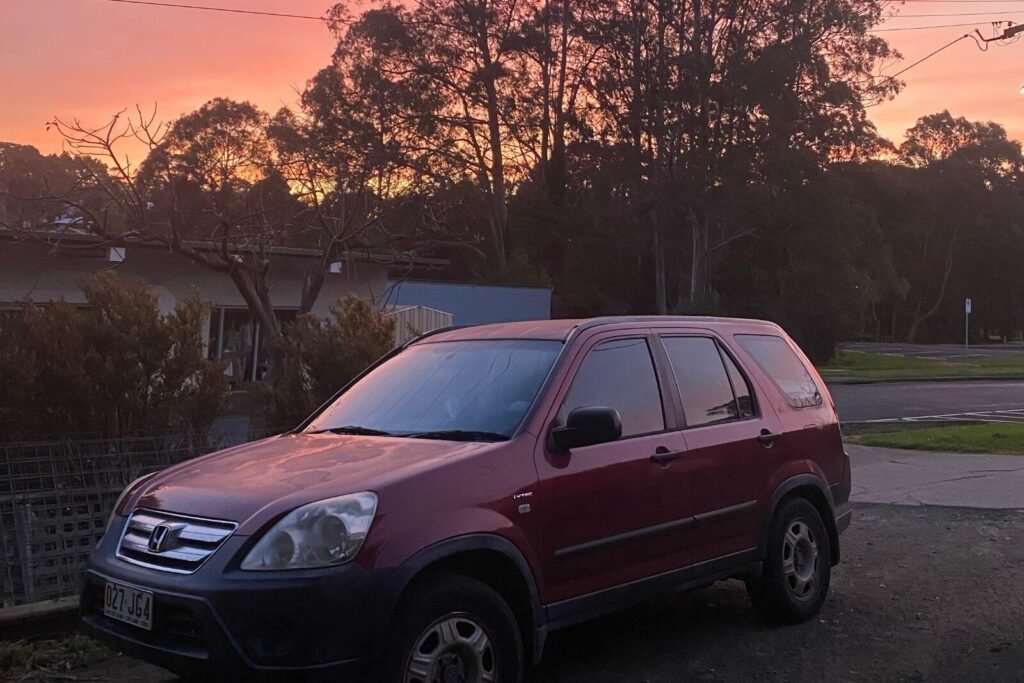
One of the best decisions I made in Australia was buying my own car — the freedom it gave me was unlike anything else. If you’re thinking about doing the same, I wrote an honest guide on buying a car in Australia as a backpacker that covers everything I wish someone had told me before I tried to withdraw cash from an ATM and lost my card, my passport, and nearly my sanity.
Step 9: Finding a Job
Most travellers fund their stay with short-term work. Be prepared, have your documents ready and use a mix of online and local methods to find roles quickly.
Common industries and how to target them
- Agriculture and farm work: seasonal and common for backpackers; often advertised locally and on sites like Harvest Trail or Facebook groups.
- Hospitality: cafes, bars and restaurants frequently hire short-term staff; bring a simple CV and be ready for on-the-spot interviews.
- Construction and labour jobs: can pay well but check that your visa allows the work and that the employer follows safety and pay rules.
Where to look and sample tools
- Hostel notice boards: post a short advert with your availability and contact number.
- Facebook backpacker groups and marketplace posts: highly active for casual work and room shares.
- Online job sites like Seek or Jora: useful for more formal roles and part‑time work in cities.
- Local contacts and word of mouth: often the fastest way to find casual day labour or farm shifts.
Practical job-hunting tips: prepare a one-page CV, save a short “pitch” you can say in person (name, availability, right to work), and carry printed copies of your documents pack. Always check working conditions, ask about pay rates and ensure the employer complies with Australian labour laws (Fair Work Ombudsman has guidance and complaint procedures).
Ready to start earning? My articel Seasonal Jobs in Australia: The Complete Backpacker Guide covers everything from farm work and harvest seasons to ski resort jobs — including real pay rates, visa tips, and my own experience picking avocados in 38-degree heat.
Final Thoughts
Planning a Work and Travel trip to Australia takes preparation, but following a clear step by step guide makes the whole process far more manageable. Focus first on visa and documents, then lock in insurance and flights, and finally complete arrival tasks like TFN and a local bank account.
Next steps; quick timings for planning and preparation:
- 6–8 weeks before departure: start your visa application and gather required documents (passport, proof of funds, ID scans).
- 2–4 weeks before departure: compare and buy travel insurance, book flights and your first nights’ accommodation.
- 1 week before departure: print your documents pack, download key screenshots (visa evidence, insurance policy) and finalise packing.
Good planning means more time enjoying Australia — once your paperwork and preparation are done, the real adventure can finally begin. I hope this guide helped you feel confident about your next steps, and I’d love to see you back for the next article. Wishing you an amazing time in Australia and an unforgettable adventure down under!