Why Seasonal Work in Australia Is Worth It
Australia is one of the best countries in the world for backpackers who want to travel longer, earn good money, and collect experiences that no 9-to-5 job could ever offer. Seasonal jobs in Australia are tied to the time of year and that’s exactly what makes them so powerful: there is almost always a peak season somewhere in the country, which means opportunity is almost never off the table.
Whether you are a backpacker trying to stretch your travel budget, a student looking for real-world experience, or a solo traveler wanting to slow down and actually live somewhere for a few months: seasonal work gives you all these opportunities at once.
I know this firsthand. I have picked avocados in 38-degree heat, worked an assembly line in a cardboard factory, and checked in guests at a motel in the middle of nowhere. Each job was wildly different. Each one taught me something I could not have learned any other way.
This guide covers everything: visa requirements, the best seasons and regions, how to find jobs that count toward your 88 days, accommodation costs, and what the experience is actually like — including the parts most guides leave out.
Legal Requirements: What You Need Before You Start
Working Holiday Visa (Subclass 417 & 462)
If you are not an Australian citizen, the most common legal route to work in Australia short-term is the Working Holiday Visa — subclass 417 (for most European, UK, Canadian, and Asian passport holders) or subclass 462 (for additional countries including the USA).
These visas generally allow you to live and work in Australia for up to 12 months, with the option to extend to a second or even third year if you complete the required regional work (more on the 88-day rule below). Eligibility rules and country lists change, so always check the Australian Department of Home Affairs for the latest information before you apply.
Visa cost tip: The application fee is currently around AUD 635. Factor this into your pre-trip budget.
Tax File Number (TFN)
A Tax File Number is not legally mandatory, but working without one means your employer is required to withhold tax at the highest rate — often 47%. Apply for your TFN through the Australian Taxation Office (ATO) website as soon as you arrive or even before you land. It is free and takes about 28 days to arrive by post.
Certificates You May Need — And Where to Get Them
Depending on what kind of seasonal work you’re going for, some certificates are legally required before you can start. The good news: most of them are straightforward, affordable, and can be done online in a single day. I’d recommend sorting these out before you arrive in Australia, it means you can start applying for jobs immediately.
RSA — Responsible Service of Alcohol
Required for any hospitality role that involves serving, selling, or supplying alcohol. No RSA, no bar job, it’s that simple, and employers will ask for it before they even consider you.
The course costs between roughly AUD 20–80 depending on the provider and state, and once you pass you receive an official Statement of Attainment that you can download and print the same day.
Important: every state has different rules about RSA training , some allow fully online courses, while others require in-person components. So always check which state you plan to work in first.
Where to get it:
- onlinersa.com.au — one of the most widely used providers, approved in all Australian states and territories, available 24/7, with same-day certificate download.
- eot.edu.au — another accredited RTO, good for NSW and Victoria specifically
- cft.edu.au — solid option for QLD, WA, SA, NT, and ACT
⚠️ Victoria note: from December 2025, Victorian RSA certification requires completing both the standard course and an additional online module through Liquor Control Victoria. If you’re heading to Melbourne, factor this in.
White Card — Construction Induction
Required for any construction, maintenance, or site-based role. The White Card is valid across all of Australia, so you only need to get it once regardless of which state you end up working in.
The training is a 6-hour program covering rights and responsibilities under Work Health and Safety law, common hazards, and risks in the construction industry.
Where to get it:
- eot.edu.au — online, nationally accredited, accepted in most states
- training.gov.au — official government portal to find any approved RTO near you
⚠️ Victoria exception: in Victoria, all construction induction training must be completed in a face-to-face classroom environment — online White Card courses are not accepted. If you’re in Melbourne, use the WorkSafeVictoria website to find an approved classroom provider.
First Aid Certificate
Required for lifeguard roles, strongly recommended for tourism, childcare, and outdoor activity jobs and honestly just a smart thing to have as a solo traveler in Australia.
Where to get it:
- Red Cross offers widely recognized courses across Australia
- St John Ambulance, one of the most respected providers nationally
- Both offer in-person and blended (online theory + in-person practical) options
Working With Children Check
Required for childcare, ski resort kids‘ clubs, and some youth tourism roles. This is state-specific and must be done in the state where you plan to work, you cannot do it in advance from overseas.
Where to get it: search „[your state] Working With Children Check“ — each state has its own official portal
Know Your Rights
Australian labor law is among the strongest in the world for workers. Casual workers are entitled to a minimum casual wage (currently around AUD 24–25 per hour base rate, though this is reviewed regularly, always check the Fair Work Ombudsman website for the current figure. Casual workers receive a loading on top of the base rate to compensate for not having paid leave.
If an employer is not paying correctly, underpaying you, or making illegal deductions, you can report this to the Fair Work Ombudsman — anonymously if needed. Do not let anyone exploit you because you are on a temporary visa.
Quick document checklist for interviews and your first day:
- Valid passport + visa evidence (print or screenshot)
- Tax File Number (or proof of application)
- Bank account details for pay
- Relevant certificates (RSA, White Card, first aid)
- CV + references
Travel Insurance — What I Use and What I Recommend
I’ll be honest: insurance is not the most exciting thing to think about when you’re planning an adventure. But let me give you a real number that might change your perspective.
I once had to visit a dentist in Australia: nothing dramatic, just some pain and a routine check where not much was actually done. The bill came to over $300 AUD. For one appointment. That’s the reality of healthcare costs in Australia without proper coverage, and that was one of the more minor scenarios. If something serious happens — a broken bone from farm work, a motorbike accident, a hospital stay — the numbers become genuinely frightening and can run into the tens of thousands.
I had Mawista at the time. I paid upfront, submitted my claim, and had my money back within about two to three weeks. Smooth, no drama. But the experience made one thing very clear to me: travel insurance is not optional in Australia. It’s essential.
I’ve personally used both Mawista and Heymondo during my travels and I can recommend both with a clear conscience. They’ve each covered different trips for me, both were straightforward to set up, and neither gave me any headaches. Right now I’m traveling with Mawista.
Mawista is specifically designed for long-term travel and Work & Travel stays a natural fit for backpackers in Australia. The pricing is fair, the coverage is solid, and since the policies run through Allianz in the background, you know there’s real financial weight behind it. One thing worth knowing: like most travel insurers, Mawista excludes countries with an active travel warning from the Foreign Office.
Heymondo is my other trusted option particularly good if you want a flexible monthly plan you can manage entirely through their app. Their long-stay plan runs around $44/month, claims can be handled directly from your phone.
Both are genuinely worth considering. My honest advice: compare both based on your destination and trip length, and pick the one that fits your situation. What matters most is that you have something , especially if you’re doing physical work in remote areas far from the nearest city.
⚠️ One thing to always check regardless of provider: make sure your policy explicitly covers physical and outdoor work. Standard tourist policies sometimes exclude work-related incidents. Read the fine print before you commit, five minutes now can save you a lot of stress later.
The Best Seasons for Seasonal Work in Australia
Summer (December – February): Tourism & Hospitality Peak
Summer is Australia’s peak tourism season. Coastal towns explode with visitors, beach bars run double shifts, and hotels struggle to fill their rosters. This is the easiest season to walk into a hospitality job, especially if you have an RSA.
Top roles:
- Bartender — busy beach bars and city venues; tips are common in tourist hotspots and can push effective earnings toward AUD 25–35/hour
- Receptionist / Front Desk — hotels and hostels need reliable cover for day and evening shifts; great for building professional customer-service experience
- Dive Instructor — high demand along the Great Barrier Reef and other dive sites; PADI or SSI certification required; seasonal packages can make this one of the highest-paid seasonal roles available
Where to look: Cairns, Airlie Beach, the Whitsundays, Byron Bay, Sydney, and Gold Coast. Apply 4–8 weeks before the peak season starts.
Before you head to any of these spots, sort your accommodation early — hostels book out fast in peak season. I always use Booking.com to compare hostels and guesthouses, especially for longer stays where weekly rates make a real difference.
Spring (September – November): Harvest Season
Spring is farm season. Across Queensland, Victoria, and South Australia, the harvest kicks into gear for fruits and vegetables and farms need hands fast. This is also the primary window for backpackers completing their 88 days for a visa extension.
Top roles:
- Fruit picking — physically demanding, flexible hours, often piece-rate pay (the faster you pick, the more you earn)
- Sorting and packing — packing shed work; steadier hours, attention to detail required
- Market selling — some farms sell direct; good for people who enjoy interaction over physical labor
Pay: AUD 20–30+/hour depending on crop, location, and whether the role is hourly or piece-rate.
Where to look: Bundaberg and Bowen (Queensland), Mildura and Shepparton (Victoria), Riverland (South Australia).
⚠️ 88-day tip: Not all farm jobs automatically count toward your visa extension. Confirm with the employer before you start that the role qualifies. Keep every payslip and timesheet you may need to present them to immigration.
Winter (June – August): Ski Resort Season
While most of the world associates Australia with sunshine, the Snowy Mountains and Victorian Alps offer a genuine alpine winter and resorts need full seasonal teams to run.
Top roles:
- Ski Instructor — certification and experience required; high demand and strong pay during peak weeks
- Slope-side hospitality — cooks, waitstaff, and bar staff in resort lodges; shift work with busy weekends
- Equipment and maintenance — ski rental staff, lift operations, general resort maintenance; hands-on and varied
Where to look: Perisher, Thredbo, Mt Buller, Falls Creek, Mt Hotham.
Key perk: Many winter resort roles include staff accommodation, which dramatically cuts your living costs during the season. Always ask about this upfront.
Regional Opportunities: Where to Go and Why
Sydney & Melbourne offer the highest volume of hospitality and retail jobs. Hourly rates in tourist areas are strong, shifts are varied, and the cities themselves are worth experiencing. Good for building your CV and your savings simultaneously.
Brisbane & Queensland are the heartland of farm work. The tropical climate means a near year-round growing season for fruits and vegetables, making it the most reliable region for 88-day work.
South Australia (Barossa Valley, McLaren Vale, Clare Valley) comes alive during grape harvest (typically February–April). Winery roles include cellar hand work, tasting room hospitality, and event staffing. This is one of the most enjoyable seasonal work environments in the country.
Snowy Mountains & Victorian Alps : alpine resorts that run from roughly June to September. Strong community feel, staff accommodation often included, and genuinely beautiful surroundings.
Coastal and rural niche roles: olive oil production, seafood farming, and aquaculture offer less well-known but often well-paid seasonal positions. Worth researching if you want something off the beaten track.
How to Find Jobs That Count Toward the 88 Days
The 88-day regional work requirement is one of the most important things to understand if you want to extend your Working Holiday Visa. Here is how to approach it practically.
Where to find qualifying work:
- Agricultural regions and packing sheds are the most reliable source
- Seek, Indeed, and Jora list seasonal and short-term roles nationally
- Gumtree, Backpacker Job Board, and Facebook groups (search „backpacker jobs [region]“) often have leads that bigger job boards miss
- Local recruitment agencies that specialize in seasonal and agricultural placements
How to document your days correctly:
- Confirm with the employer before you start that the role and location qualify
- Keep every payslip and timesheet (date, hours worked, duties, employer signature)
- Ask your employer for a signed letter confirming your start date, end date, and duties
- Store digital copies — physical documents can get lost on the road
Practical tips:
- Join backpacker Facebook groups for your target region: last-minute leads move fast there
- Be flexible on location; the best-paying qualifying roles are rarely in big cities
- Highlight physical fitness, reliability, and flexibility in applications
The Application Process: How to Stand Out
Almost every seasonal employer wants a CV. The good news is that a short, focused one-page document is enough and often better than a long one.
CV structure that works:
- Contact details — name, phone, email, local Australian address if you have one
- One-line summary — tailored to the role (e.g., „Physically fit and reliable farm worker with experience in harvest environments“ or „Friendly hospitality worker with RSA and strong customer service skills“)
- Relevant experience — 2–3 bullet points per role, focused on duties and results
- Certifications — RSA, first aid, PADI, White Card, driver’s licence, forklift ticket, languages
- References — one or two referees, or „available on request“
Example lines that work:
For farm roles: „Picked and packed avocados and citrus over two seasons; physically fit, reliable, comfortable with early starts and variable conditions.“
For hospitality: „Bar and waitstaff experience in busy coastal venues; confident with cash handling, upselling, and high-volume service.“
Walk In — Your Biggest Competitive Advantage
One thing I can tell you from personal experience: showing up in person makes a real difference.
Most applicants send a CV online and wait. That means every business you walk into already has a pile of emails sitting in their inbox that nobody has had time to read. When you walk through the door, introduce yourself, and hand over your CV with a smile you immediately stand out from everyone who applied from behind a screen.
It doesn’t need to be complicated. A simple „Hi, I heard you might be looking for seasonal staff, I’d love to leave my CV and have a quick chat if you have a moment“ is enough. Most managers respect the initiative, and many will remember your face when they’re making decisions.
What I noticed is that when there’s a good mutual fit and the timing works, they like the look of you, you seem reliable agreements are often made on the spot or within a day or two. No long application process, no waiting weeks for a callback. Just a handshake and a start date.
It’s not guaranteed, but it’s one of the most underrated moves a backpacker can make especially in smaller towns and regional areas where everything runs on personal connection anyway.
Before every interview: bring printed CV copies, passport and visa proof, TFN details, and a clear answer to „when can you start and how long are you available?“
Accommodation: What It Costs and What to Expect
Accommodation costs vary enormously across Australia. Here is a realistic overview:
Hostels — flexible and social; AUD 25–50/night in major cities, cheaper in regional towns. Great for short stays and meeting people, less ideal for longer work placements.
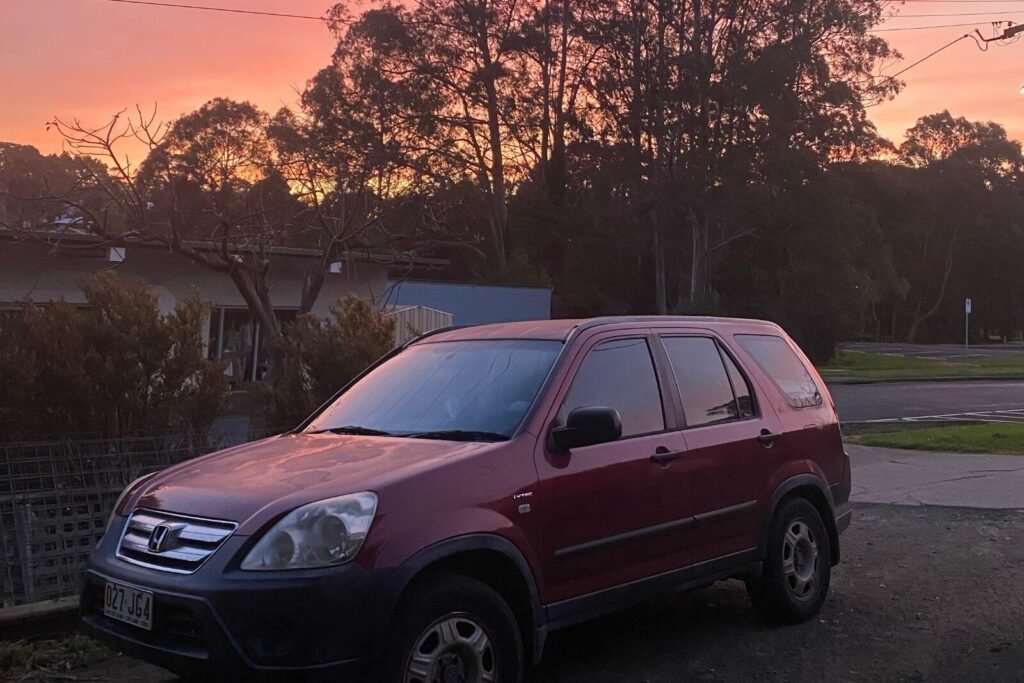
Campsites — cheapest option; works well if you have a vehicle. Many seasonal workers combine a campervan with farm work to keep costs extremely low.
Shared apartments / flatshares — AUD 150–350/week in Sydney or Melbourne; AUD 80–180/week in regional centers. Facebook groups are the best place to find these quickly.
Employer-provided accommodation — common on farms and at ski resorts. Often deducted from pay (typically AUD 80–150/week). Always get the terms confirmed in writing before you accept a role.
💡For finding accommodation across Australia, I use both booking.com and Hostelworld — they complement each other perfectly. Booking.com is my go-to for filtering by weekly rates, kitchen access, and longer stays. Hostelworld is where I go when I want to connect with other travelers before I even arrive, the built-in chat function lets you talk to people already staying at the hostel, which is a game changer when you’re traveling solo and want to know the vibe before you book.
Budgeting basics: before accepting any role, calculate your monthly outgoings: rent + food + transport + phone + incidentals. Then work out how many hours at the advertised rate you need to cover those costs and start saving. It sounds obvious, but many backpackers underestimate regional transport costs in particular.
My Personal Experience: What Seasonal Work in Australia Is Really Like
I want to be honest with you here, because most guides skip the uncomfortable parts.
Job 1: Avocado Farm
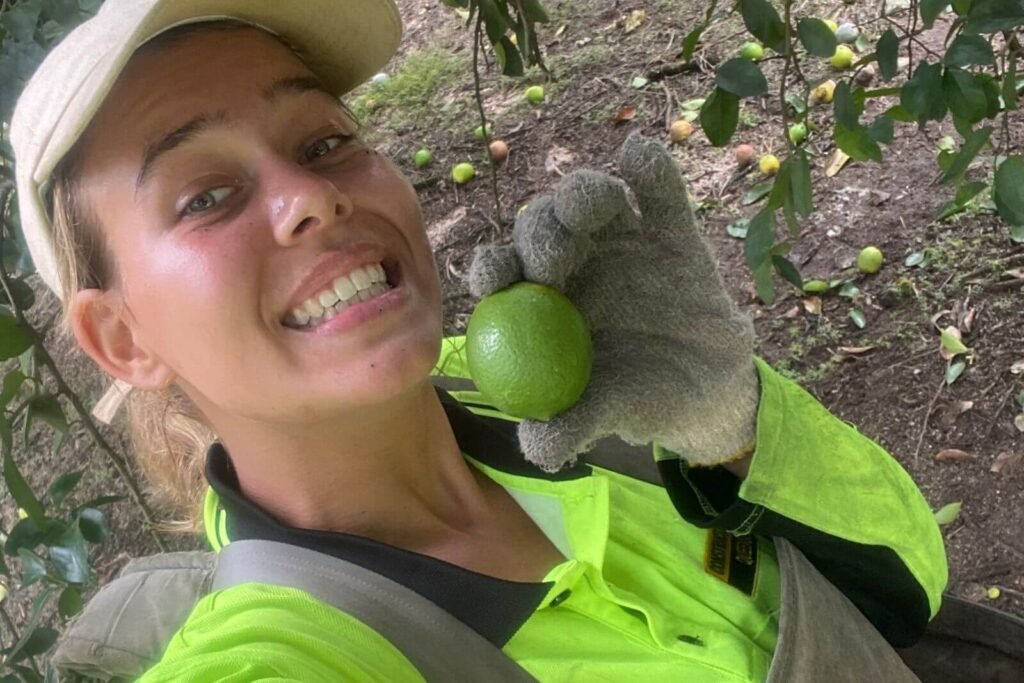
My first job in Australia was picking avocados. Sometimes eight hours a day in the Australian summer heat, standing in a field in full sun, reaching up into trees over and over. By the end of the first week, every muscle I didn’t know I had was reminding me it existed and i had scratches all over my body. You also have to get used to the idea of encountering all kinds of animals and insects out in the fields. If you have phobias or are very anxious you should think this trough carefully.
It was genuinely one of the hardest things I have done. It pushed me past limits I didn’t know I had.
But it also gave me something I didn’t expect: the farm was full of backpackers from all over the world, and the friendships formed during hard shared work are a different kind of close. I met some French girls there. We ended up traveling together for the next four months — a friendship that has outlasted Australia by years, and one I would not trade for anything.
Job 2: Cardboard Factory
My second role was in a cardboard factory, working on an assembly line. Repetitive, physically exhausting, mentally numbing and valuable in a way I didn’t appreciate until later.
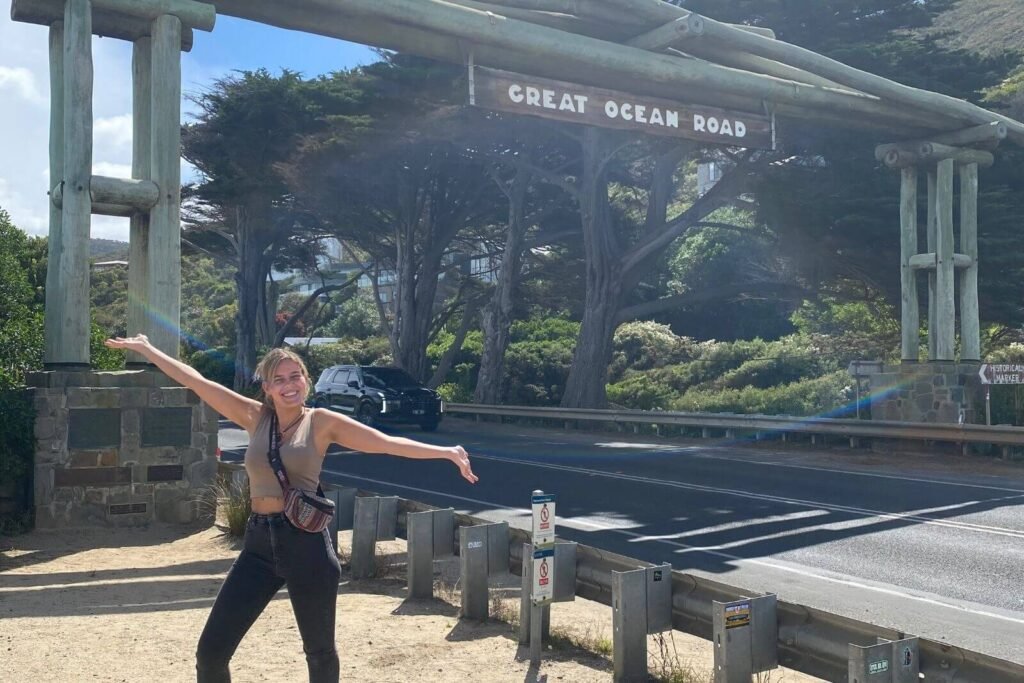
That job taught me to appreciate work you actually enjoy. It also funded some of the best days of my life: a skydive, a flight over the Great Barrier Reef,a three-day sailing trip through the Whitsundays and many more. Knowing what I had done to earn those experiences made them hit differently.
🌊 If you make it to the Whitsundays or the Great Barrier Reef, don’t just look at them from the shore. I booked my sailing trip and reef experiences through GetYourGuide — it’s where I found the best-reviewed operators at transparent prices. Completely worth it after months of farm work.
Job 3: Motel Receptionist
After four months of traveling until my savings were nearly gone, I took a job at a motel as a receptionist. This was the role that surprised me most.
Dealing with guests from dozens of different countries, navigating complaints, handling bookings under pressur, it built communication skills and confidence in a way no classroom could. It also cured me of any remaining fear of the Australian accent, which had genuinely been a barrier when I first arrived.
Three things seasonal work in Australia taught me:
- Resilience. Long days in physical conditions you are not used to build a work ethic and mental toughness that carries into everything else.
- Transferable skills. Customer service, teamwork, time management, conflict resolution: seasonal work stacks your CV with things employers actually want.
- People. The coworkers, the fellow backpackers, the weekend adventures: this is often the most lasting part of the experience. The friendships made while doing hard things together are different from the ones made over cocktails at a hostel bar.
FAQ: Seasonal Jobs in Australia
Do I need a Working Holiday Visa to do seasonal work in Australia? Yes, if you are not an Australian citizen or permanent resident. The subclass 417 and 462 visas are the main options for working holidaymakers. Check current eligibility on the Department of Home Affairs website.
How much can I realistically save doing seasonal work in Australia? It depends heavily on the role, location, and your living costs. In regional areas with employer-provided accommodation, saving AUD 500–1,000+ per week is realistic for physically demanding roles. In cities with higher rent, the margins are tighter.
What counts toward the 88 days for a visa extension? Specified regional work — mainly agriculture, fishing, forestry, construction, and some mining roles in designated regional postcodes. Always confirm with your employer before starting and keep detailed records.
Do I need to speak English fluently to get seasonal work? Functional English is helpful, especially for hospitality and customer-facing roles. For farm and factory work, you can often get by with basic English, as many co-workers are also international workers.
Is seasonal work in Australia safe for solo female travelers? Generally yes, particularly in established farm environments, resorts, and hostels. The backpacker community is supportive, and Australia has strong worker protection laws. As with any solo travel, trust your instincts and don’t accept accommodation or work situations that feel off.
What is the best job board for backpackers in Australia? A combination works best: Seek and Indeed for formal listings, Gumtree and Backpacker Job Board for regional and informal roles, and Facebook groups (search your target region + „backpacker jobs“) for real-time leads.
Final Thoughts
Seasonal work in Australia will test you. Some days will be long, hot, cold, repetitive, or all of the above. That is not a warning to put you off, it is context for what comes after.
The money you save funds real experiences. The skills you build transfer to your career. The people you meet on farms, in resort kitchens, and behind hostel reception desks become some of your closest friends.
Australia gave me more than a working visa. It gave me resilience, direction, and a group of people I still message today from wherever I am in the world and even the girls I’m sometimes travelling the world together with.
If you are considering it — go. Plan carefully, document everything, stay flexible, and say yes to more than just the work.